

Pros and Cons of Reusable vs. Disposable Chemical Suits
7th Jul 2026
Many industries use chemical suits in their day-to-day operations. This includes agricultural companies, which rely on them for pesticide application and field work, and electrical and mechanical contractors, among others. If you need to purchase suits for a safety-sensitive project at your facility, you may wonder whether to purchase reusable or disposable suits. Both options have their pros and cons, but the right choice depends on what your work actually demands. To help you invest in the right protection, here are the key differences worth knowing before you buy.
Reusable Chemical Suits
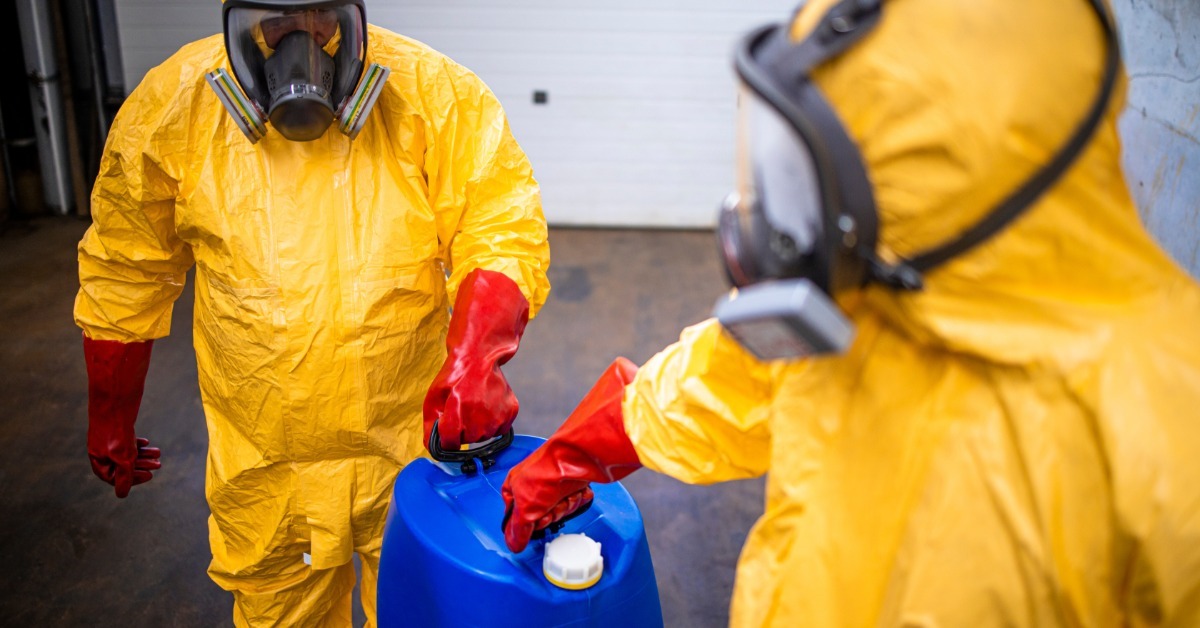
Reusable chemical suits are constructed from durable materials designed to withstand repeated exposure to hazardous substances. They're built to hold up through multiple uses without breaking down structurally. After each use, they go through a decontamination process before being stored and put back into rotation.
These suits are common in environments where workers face chemical exposure on a regular schedule. Think maintenance crews managing industrial systems or contractors who work around the same chemical hazards week after week. The upfront cost is higher, but the suit stays in service for an extended period.
Pros of Reusable Suits
- Long-term cost savings: The initial price tag on a reusable suit is steeper, but when you spread that cost across dozens of uses, the per-use cost drops considerably. For operations where suits are needed on a recurring basis, that math adds up in your favor over time.
- Stronger chemical resistance: Reusable suits are typically made from heavier-duty materials that offer a higher level of protection against aggressive chemicals. If your work involves prolonged contact or concentrated substances, that added barrier strength is worth the investment.
- Less waste over time: Because you're not discarding a suit after every shift, reusable options produce less ongoing waste. For companies working toward sustainability benchmarks, this is a practical step in the right direction.
- Customizable fit: Many reusable suits come in a wider range of sizes and can be fitted more precisely to the wearer. A better fit means fewer gaps, which directly improves the level of protection the suit delivers.
Cons of Reusable Suits
- Decontamination adds time: After each use, the suit needs to be cleaned and inspected before it goes back into storage. That process takes time and requires trained personnel who know how to handle contaminated gear without creating a secondary exposure risk.
- Higher upfront cost: If budget is tight and you only need suits for a one-time job or a short-term project, paying for reusable suits may not make financial sense.
- Degradation over time: Even the toughest materials break down eventually. Repeated chemical exposure can weaken seams and reduce the suit's overall integrity. Tracking wear and scheduling replacements becomes part of the maintenance responsibility.
- Storage requirements: Reusable suits need proper storage between uses, meaning a dedicated space that stays dry and away from conditions that could degrade the material before the next use.
Disposable Chemical Suits

Disposable chemical suits are designed for single use. Once the job is done, the suit gets discarded according to hazardous waste protocols. They're made from lightweight materials that still provide a meaningful barrier against chemical exposure, though the level of protection varies depending on the suit's construction and rating.
You'll find disposable suits in situations where contamination risk is high but the work itself is short-term or non-recurring. They're also common in environments where cleaning a suit between uses isn't practical.
Pros of Disposable Suits
- No decontamination required: After the job, the suit goes into the waste stream. There's no washing, no inspection, and no storage to manage. For fast-paced environments or one-time projects, that simplicity keeps operations moving.
- Lower upfront cost per suit: Disposable suits cost less individually, which makes them a reasonable option when you need to outfit a large crew for a short-term job without a major capital expense.
- Reduced cross-contamination risk: Because each suit is discarded after a single use, there's no risk of carrying residual contamination from one job into the next. In high-hazard environments, that peace of mind is worth something.
- Easy to stock in bulk: Disposable suits take up less space and are simple to store in quantity. You can keep a large supply on hand without the dedicated infrastructure that reusable suits require.
Cons of Disposable Suits
- Higher long-term cost: If your team uses suits frequently, the cost of replacing them after every use adds up faster than you'd expect. Over a full year of regular use, disposable suits can end up costing significantly more than a reusable alternative.
- More ongoing waste: Single-use suits generate ongoing disposal costs and waste volume. For companies with environmental accountability standards, this can become a compliance and budgeting concern.
- Less durable material: Disposable suits are designed to get the job done once, not to stand up to extended use or aggressive conditions. For work involving prolonged exposure or highly concentrated chemicals, the lighter construction may not provide sufficient protection.
- Sizing can be limited: Many disposable suits come in a narrower size range. A loose-fitting suit creates gaps that reduce protection, so fit becomes a concern when you're working with a varied crew.
Which Is Right for Your Work?
A few factors can narrow the decision down quickly. Think through these before you order.
How Often Suits Are Needed
Frequent, recurring use favors reusable. A single project or occasional need favors disposable. If your crews suit up on a weekly basis, the per-use cost of disposable gear adds up in a way that reusable suits simply don't.
What Chemicals Are Involved
Concentrated or aggressive substances generally call for heavier-duty materials. Reusable suits with higher protection ratings are built for that kind of exposure. Disposable suits cover a wide range of hazard levels too, so checking the suit's chemical resistance rating against your specific job conditions is a must before you order either type.
How Long the Project Runs
Short-term jobs with a defined end date are a natural fit for disposable suits. Long-term or ongoing operations benefit from reusable gear because the durability justifies the cost over time.
What Your Decontamination Setup Looks Like
If your facility has the space and trained personnel to manage cleaning and inspection, reusable suits are a viable part of your safety program. If that infrastructure isn't in place, disposable suits remove the logistical burden entirely.
What Your Disposal Process Requires
Disposable suits used around hazardous materials can't go into a standard waste bin. Know your disposal obligations before committing to a single-use approach, because the disposal costs factor into the total expense.
The Right Suit Starts with the Right Information
Should you choose reusable or disposable chemical suits for your next project? It comes down to the factors we outlined above. Different projects call for different levels of protection, durability, and budget planning.
Whatever option you choose, TG Technical Services has high-quality, affordable options available. Browse our chemical-resistant suits and suit accessories from the trusted brand Kappler.