
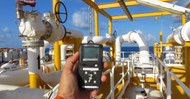
Comparing Infrared and Catalytic Combustible Gas Sensors
14th Apr 2026
Every year, undetected combustible gas leaks put lives, equipment, and operations at risk, often with costly or hazardous results. The challenge? Choosing the right detection technology from a crowded field.
Mechanical contractors and safety directors need solutions they can rely on for both safety and operational uptime. Comparing infrared and catalytic combustible gas sensors can help you cut through the confusion and find the best fit for your application. You’ll learn how each technology works and what problems they solve in real-world environments.
How Catalytic Sensors Work
Catalytic bead sensors, also called pellistors, detect combustible gases through a chemical oxidation reaction. The sensor contains two beads: one active bead coated with a catalyst and one reference bead. When combustible gas contacts the active bead, it oxidizes the catalyst surface, generating heat. This heat creates a resistance change that the sensor converts into a gas concentration reading, typically expressed as a percentage of the Lower Explosive Limit (LEL).
Catalytic sensors are widely used across a range of industrial environments, from oil and gas facilities to commercial buildings. They respond to many types of combustible gases, giving facilities the flexibility to detect multiple gases simultaneously in a single environment.
Their straightforward design makes them easy to integrate with a wide range of control panels and safety systems already in use. Facilities can upgrade or expand their gas detection coverage without the hassle of replacing existing infrastructure.
How Infrared Sensors Work
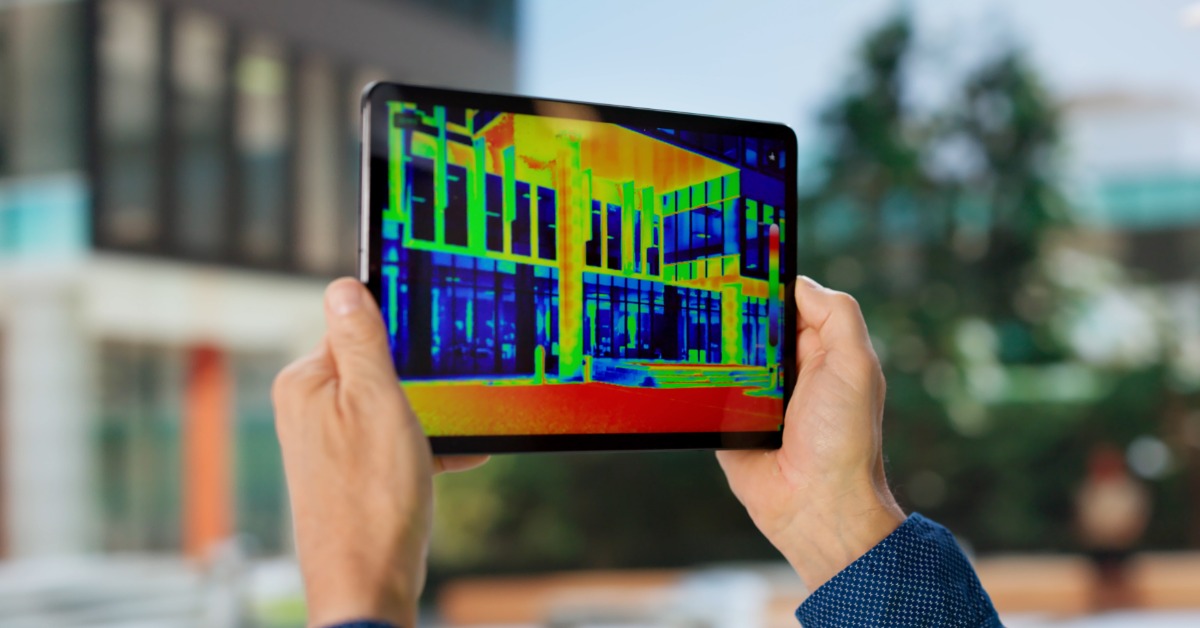
Infrared (IR) sensors use a fundamentally different detection method. They emit infrared light through a gas sample chamber and measure how much of that light the target gas absorbs at a specific wavelength. Each gas absorbs infrared light at a specific wavelength, which allows the sensor to identify and measure the target gas with high accuracy.
Because infrared sensors rely on light absorption rather than a chemical reaction, the sensor element doesn’t consume or degrade during normal operation. This feature extends the operational lifespan of infrared sensors beyond that of catalytic sensors under many real-world conditions.
It also reduces the frequency of sensor replacements, lowering the maintenance burden on facility teams over time. As a result, teams can focus more on implementing safety measures than on routine sensor maintenance.
Key Differences in Performance
Understanding how sensor types perform under real-world conditions helps you select the right technology for your application. Take a closer look at their strengths and limitations to prevent costly mistakes and ensure your gas detection system delivers the protection you need.
- Sensor Lifespan: Infrared sensors typically last longer because they don’t rely on chemical reactions that gradually wear down the sensing element.
- Poisoning and Contamination: Catalytic sensors are vulnerable to poisoning from silicones and sulfur-based compounds, among other contaminants. These substances degrade sensor accuracy over time. Infrared sensors are largely immune to these materials.
- Oxygen Dependency: Catalytic sensors require a minimum oxygen level to function correctly. Infrared sensors operate independently of oxygen concentration, making them suitable for inert or oxygen-depleted environments.
- Response Time: Both sensor types offer fast response times. Catalytic sensors have a long track record across safety systems, while infrared sensor designs have narrowed the response-time gap considerably.
- Gas Specificity: Infrared sensors target specific gases with high precision. Catalytic sensors detect a broader spectrum of gases, which is useful in unfamiliar environments or on new job sites.
- Upfront Cost: Catalytic sensors are typically less expensive to purchase. Infrared sensors require a higher initial investment but generally deliver lower maintenance costs over their service life.
Where Catalytic Sensors Excel
Catalytic sensors remain a dependable choice for many applications. They perform well in environments with a variety of combustible gases, and their lower purchase price makes them a practical solution for large-scale installations with multiple detection points.
Many facilities rely on catalytic sensors because of their compatibility with existing safety infrastructure and straightforward integration with standard gas-detection control panels. Most technicians are familiar with the technology, and the majority of safety equipment suppliers stock replacement parts without issue.
That said, catalytic sensors require regular calibration and maintenance to stay accurate. Exposure to sensor poisons can reduce accuracy without any visible indication of failure. In environments with potential contaminants, safety directors should schedule frequent tests to verify that each sensor performs within acceptable parameters.
Where Infrared Sensors Excel
Infrared sensors deliver consistent results in applications that require long-term reliability and reduced maintenance. Because they don’t degrade through normal gas exposure, they suit environments where continuous monitoring is essential, and unplanned sensor downtime creates operational or safety risks.
These sensors perform well in environments with low or variable oxygen levels, such as confined spaces or sealed storage areas. Facilities that handle specific hydrocarbons benefit from the infrared sensor's ability to deliver accurate readings without interference from other atmospheric substances.
Gas monitoring devices that incorporate infrared technology often require a higher upfront investment. However, facilities that prioritize long-term accuracy and reduced service visits find that the total cost over the sensor's service life compares favorably with that of catalytic alternatives.
Choosing the Right Sensor for Your Application
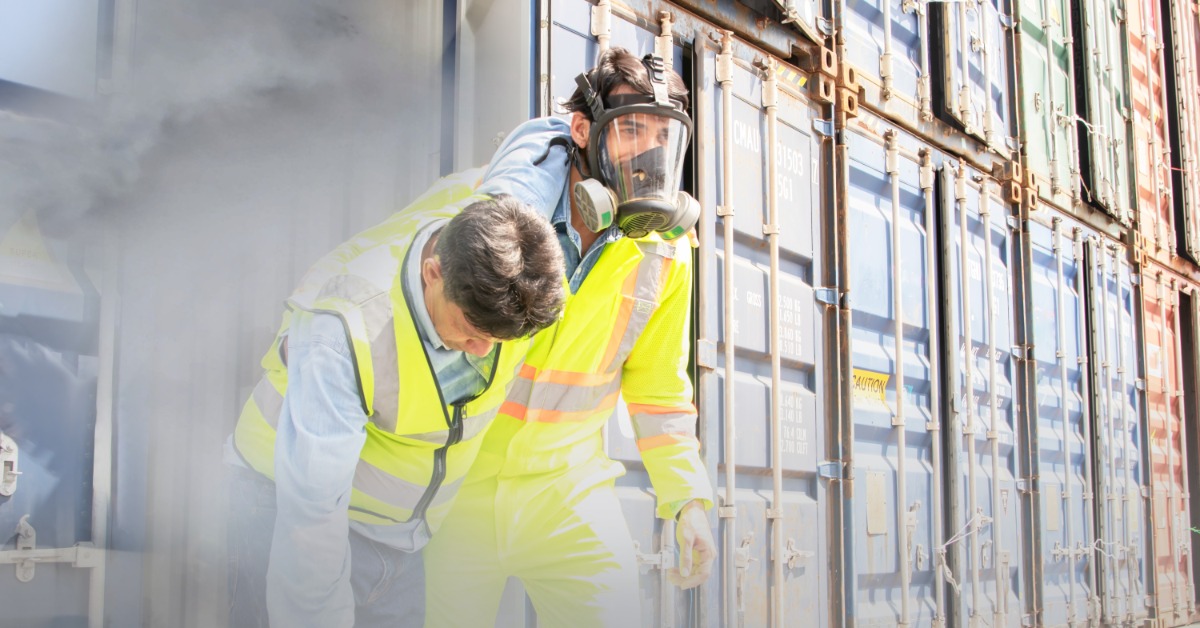
The right sensor comes down to which gases you’re trying to detect, the conditions in your facility, and your team’s ability to keep up with regular maintenance. Catalytic sensors offer broad-spectrum detection at a lower purchase price, making them suitable for high-volume installations and facilities with well-established maintenance programs. Infrared sensors offer greater durability and higher specificity for targeted detection in applications where long-term accuracy must remain consistent.
Safety directors should assess the contamination risks present in their facilities before committing to a sensor type. Mechanical contractors should evaluate the installation environment and the long-term service requirements that each technology demands. A knowledgeable sensor specialist can help align the right technology to your operational requirements and safety goals.
Making the Right Call for Your Facility
Choosing the right sensor technology affects how well your detection system protects your personnel and critical infrastructure. Comparing infrared and catalytic combustible gas sensors gives mechanical contractors and safety directors a clear framework for making that choice.
Each sensor type has distinct strengths, and the best fit depends on your environment and detection priorities. A thorough evaluation of both options leads to a more reliable and effective safety system. Visit TG Technical Services to explore gas monitoring solutions designed to meet the demands of your industry.