
Using Gas Detectors in Urban Search-and-Rescue Operations
10th Feb 2026
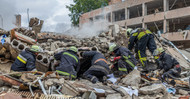
Using gas detectors in urban search-and-rescue operations requires careful planning, reliable equipment, and trained personnel. Urban disasters often create unstable environments where responders face hidden gas hazards from damaged infrastructure, confined spaces, and compromised utility systems.
Mechanical contractors and safety directors must understand how gas monitoring supports safer rescue efforts and protects teams operating in unpredictable conditions. Gas detectors provide real-time data that helps crews make informed decisions before entering hazardous areas. By integrating gas detection into rescue protocols, teams reduce exposure risks, improve situational awareness, and maintain compliance with safety standards during high-pressure emergency operations.
Gas Hazards in Urban Disaster Environments
Urban search-and-rescue operations expose teams to multiple gas-related hazards following structural collapses, fires, or explosions. Leaking natural gas lines, carbon monoxide buildup, oxygen-deficient spaces, and volatile organic compounds often appear without warning. These conditions can shift rapidly as debris moves or ventilation changes.
Responders must identify threats quickly to prevent injuries, fires, or secondary explosions. Gas detectors enable teams to continuously monitor air quality while navigating confined or partially enclosed spaces. Precise data enables safety leaders to establish entry limits, evacuation thresholds, and ventilation needs while maintaining operational momentum in challenging urban rescue scenarios.
Selecting the Right Gas Detection Equipment
Rescue teams require gas detection equipment that delivers accuracy, durability, and ease of use under extreme conditions. A portable multi-gas detector enables rapid assessments by simultaneously monitoring multiple gas types.
Compact designs allow responders to carry devices through debris fields without limiting mobility. Clear displays, audible alarms, and fast response times help teams react immediately to changing conditions.
Mechanical contractors involved in equipment selection should prioritize rugged housings, long battery life, and straightforward calibration processes. Reliable devices reduce downtime and ensure consistent protection throughout extended rescue operations.
Training and Deployment Best Practices
Effective gas detection depends on proper training and consistent deployment strategies. Safety directors should ensure teams understand sensor limitations, alarm thresholds, and maintenance requirements. Regular drills reinforce correct usage during high-stress scenarios where mistakes carry serious consequences.
Teams should deploy detectors before entry, during operations, and after environmental changes such as ventilation or debris removal. Clear communication protocols help responders share gas readings across teams. By embedding gas monitoring into standard operating procedures, organizations create safer rescue environments and support faster, more confident decision-making.
Looking Ahead: The Critical Role of Gas Detection in Urban Rescue
Using gas detectors in urban search and rescue operations strengthens safety, improves situational awareness, and supports effective emergency response. Gas monitoring equips rescue teams with critical information that reduces exposure risks and prevents secondary incidents.
Mechanical contractors and safety directors play a key role in selecting reliable equipment and reinforcing proper training practices. When teams integrate gas detection into every phase of rescue work, they protect their personnel and maintain operational control in unpredictable urban environments.