
How To Calibrate and Maintain Formaldehyde Gas Monitors
12th Mar 2026
Work environments that involve adhesives, resins, insulation materials, or chemical manufacturing often contain formaldehyde. Exposure to this gas can irritate the eyes, skin, and respiratory system. Accurate detection protects workers and helps companies follow workplace safety guidelines.
Learning how to calibrate and maintain formaldehyde gas monitors enables contractors and safety teams to keep monitoring devices accurate and reliable. Proper calibration and routine maintenance ensure that detectors respond quickly to hazardous concentrations. When equipment performs as expected, teams can respond to risks sooner and reduce the chance of long-term exposure.
Why Formaldehyde Monitoring Matters in Industrial Environments
Many industrial processes release formaldehyde into the air. Manufacturing facilities, laboratories, woodworking operations, and construction environments may all encounter this chemical. Even low concentrations can cause irritation, while prolonged exposure increases health risks.
Gas monitors help safety teams track exposure levels and maintain a safe workspace. Contractors and safety directors rely on accurate readings when evaluating ventilation systems, performing maintenance work, or entering confined areas. Reliable monitoring enables crews to detect leaks or buildup before concentrations reach dangerous levels.
Organizations also follow regulatory exposure limits for worker safety. Effective monitoring supports compliance efforts and helps teams document workplace conditions. Consistent calibration and maintenance ensure that the monitor delivers dependable readings whenever workers need them.
How Formaldehyde Gas Monitors Work
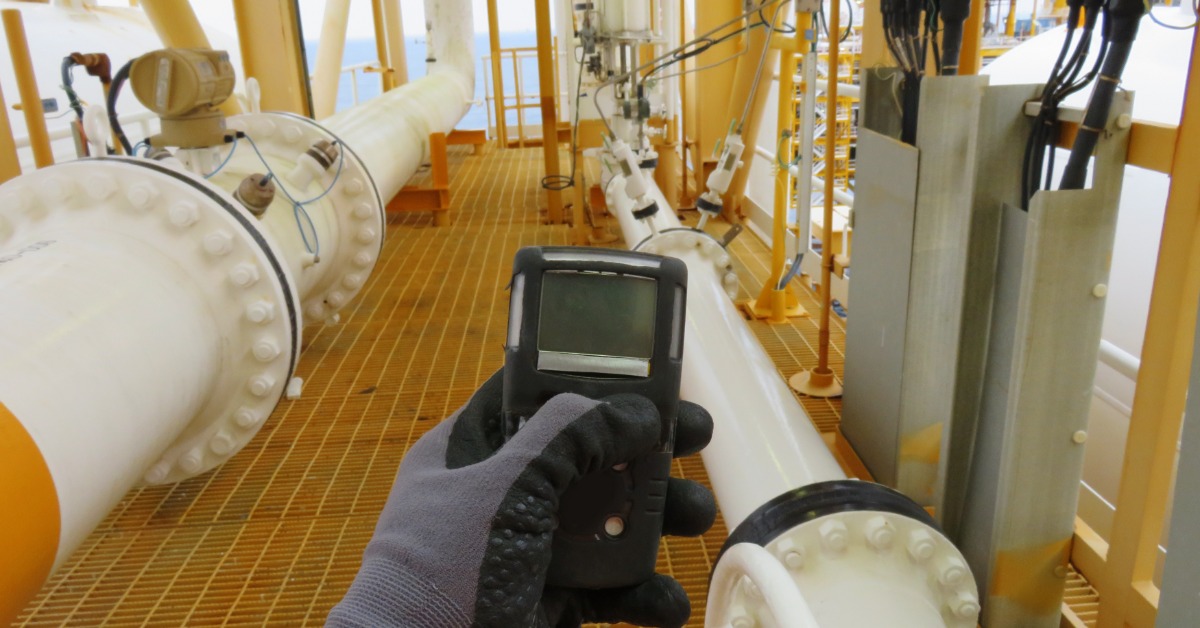
Formaldehyde gas monitors detect and measure formaldehyde concentrations in the air using specialized sensors. These sensors react when they encounter the target gas and convert the reaction into a measurable signal. The device then displays the concentration on its screen, allowing users to assess air quality in real time.
Many portable monitors rely on electrochemical or photoionization technology. These sensors respond quickly to changes in gas concentration, which helps crews detect leaks or unsafe conditions during inspections or maintenance tasks.
Modern monitors often include audible and visual alarms. These alerts activate when concentrations exceed preset limits. Contractors working in confined spaces or near chemical processes depend on these warnings to act quickly.
Although the technology remains reliable, sensors gradually lose their accuracy over time. Calibration fine-tunes the device to ensure its readings remain accurate and consistent with known gas concentrations. Regular calibration protects workers and supports compliance with industry standards, giving safety teams greater confidence in the data collected during critical operations.
When to Calibrate a Formaldehyde Gas Monitor
Routine calibration keeps gas monitors accurate and dependable. Most manufacturers recommend calibration at regular intervals, typically every 1 to 3 months. High-use environments or harsh conditions may require more frequent calibration.
Safety directors should also calibrate monitors whenever a device experiences a significant impact or exposure to high gas concentrations. These situations may shift sensor performance and affect readings.
Teams often perform a quick bump test before daily use. This test confirms that the monitor responds when exposed to a known concentration of gas. While a bump test verifies basic function, calibration adjusts the monitor to maintain precise accuracy.
Contractors who rely on formaldehyde monitoring equipment should maintain a clear calibration schedule. Consistent testing helps crews detect potential hazards without uncertainty. Teams can quickly identify any drift in sensor performance and address issues before they impact workplace safety.
Step-by-Step Calibration Process
A structured calibration process ensures consistent results. Technicians should follow the manufacturer’s instructions and use certified calibration gas to confirm sensor accuracy. Careful attention to each step in the process reduces the risk of human error and supports long-term reliability for critical safety equipment.
Typical calibration steps include:
- Power on the monitor and allow the sensor to stabilize.
- Connect the calibration gas cylinder and regulator.
- Apply the calibration gas at the recommended flow rate.
- Allow the monitor to measure the known gas concentration.
- Adjust the device settings until the displayed reading matches the calibration value.
- Confirm the reading and save the calibration settings.
After calibration, technicians should document the date and results. Maintaining accurate records helps safety teams track equipment performance and schedule future calibration.
Routine Maintenance for Reliable Monitor Performance
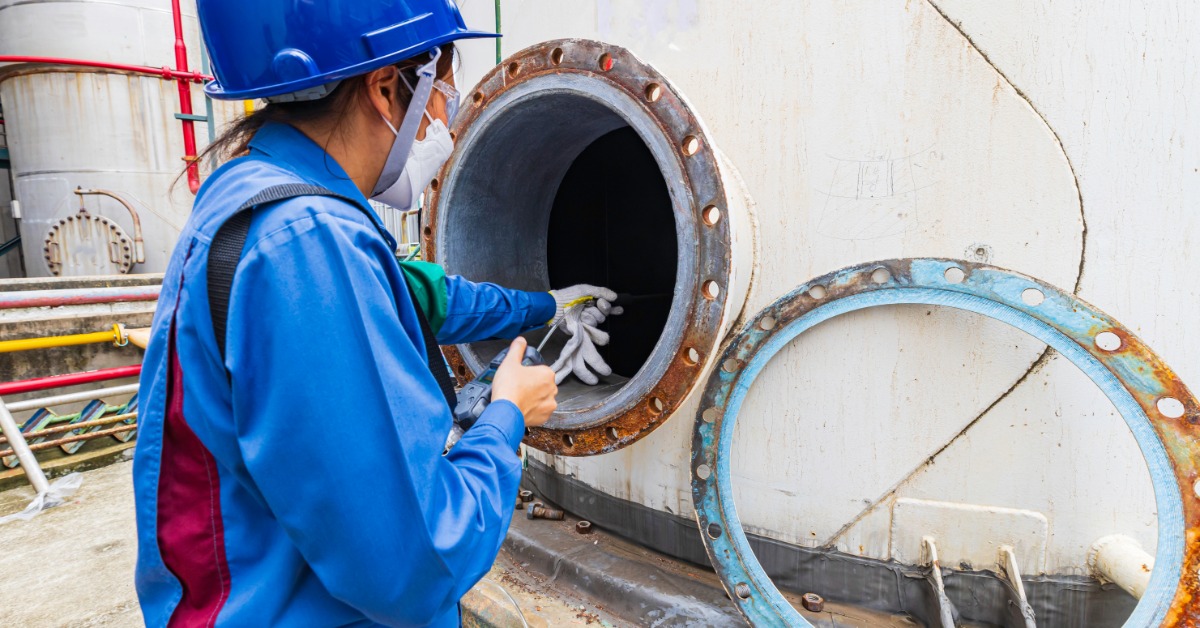
Routine maintenance extends the life of gas monitoring equipment and helps maintain accurate readings. Contractors should inspect monitors regularly to confirm that sensors, filters, and housings remain in good condition. Proactive servicing can prevent unexpected equipment failures and ensure that monitors are always ready for use in emergency situations.
Cleaning plays an important role in maintaining performance. Dust, moisture, and debris can interfere with sensors or air flow. Technicians should wipe the monitor's exterior and inspect the air inlets to ensure unobstructed sampling.
Battery maintenance also affects reliability. Crews should recharge batteries according to the manufacturer's guidelines and replace worn units before they fail in the field. A fully charged device ensures uninterrupted monitoring during inspections or maintenance work.
Storage conditions matter as well. Teams should keep monitors in clean, dry environments when not in use. Proper storage protects sensitive components and helps maintain long-term accuracy.
Common Issues That Affect Monitor Accuracy
Several factors can influence the accuracy of formaldehyde gas monitors. Environmental conditions, improper calibration, or sensor aging may all affect readings. Identifying these issues early helps your team maintain dependable monitoring.
Extreme temperatures and humidity can interfere with sensor performance. Contractors should verify that monitors operate within recommended environmental limits. Using protective cases or storing equipment properly helps reduce environmental stress.
Sensor lifespan also affects performance. Over time, sensors lose sensitivity and respond more slowly to gas exposure. Safety teams should track sensor replacement schedules and follow manufacturer guidelines.
Contamination is another common concern. Exposure to chemicals other than formaldehyde may affect sensor response. Routine inspection and proper maintenance help minimize this risk and keep monitors functioning correctly.
Maintaining Safe Monitoring Practices
Accurate gas monitoring requires consistent procedures and reliable equipment. Contractors and safety directors depend on properly calibrated devices to quickly detect hazardous conditions. Regular testing, proper storage, and scheduled maintenance keep monitors ready for daily use.
Following these best practices support safer workplaces and reliable gas detection. Crews who understand how to calibrate and maintain formaldehyde gas monitors can maintain dependable monitoring programs and reduce the risks associated with formaldehyde exposure.
Regular calibration ensures that monitors deliver accurate readings whenever worker safety depends on them. Explore gas detection solutions available from TG Technical Services to support reliable workplace monitoring.