
How Gas Monitoring Supports Business Continuity Plans
22nd Sep 2026
An unexpected gas leak can bring normal operations to a halt in a matter of minutes. Beyond the immediate safety concerns, an incident can affect equipment, schedules, staff access, and production. Use the guide below to better understand how gas monitoring supports business continuity plans. Services for gas detection equipment suited to their operations.
Faster Alerts Can Limit Operational Disruptions
A business continuity plan outlines how an organization will maintain or restore operations after an unexpected event. Gas detection equipment can support that plan through early alerts when hazardous gases reach preset thresholds. Staff can then follow established response procedures instead of discovering a problem after conditions become more severe.
Consider a facility where carbon monoxide or another hazardous gas enters an occupied area. A prompt alarm gives personnel a chance to evacuate or restrict access based on the site's safety procedures. The facility can also direct response teams toward the affected zone with more context about the hazard.
Gas Data Supports a More Focused Response
You can also observe how gas monitoring supports business continuity plans by analyzing relevant data. A broad shutdown affects production schedules, deliveries, contractors, and customers. Reliable gas data gives safety personnel useful information as they assess conditions and determine the proper response under company procedures.
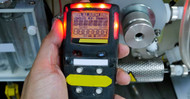
Fixed gas detection systems can provide coverage in designated spaces where a known hazard may occur. Portable monitors can support personnel who need gas readings across different work areas or job sites. Area monitors can add another layer of visibility for temporary work zones or locations where conditions may change. This flexibility helps organizations build gas detection into emergency procedures without relying on a single type of device for every situation.
Equipment Readiness Belongs in the Continuity Plan
Gas detection equipment only serves its purpose when it’s ready for use. A continuity plan can account for device inspections, calibration schedules, battery status, sensor life, alarm checks, and access to replacement equipment. Clear responsibilities also help staff know who handles each part of the process.
Training deserves a place in that plan as well. Employees should understand alarm signals, response procedures, and the limits of the equipment they use. Familiarity can reduce confusion during an incident, when teams need clear actions rather than last-minute interpretation.
Build Gas Detection Into Your Continuity Strategy
The connection between gas monitoring and business continuity plans extends beyond emergency alarms. The right equipment can support early hazard awareness, informed response procedures, and a more organized path back to normal operations after an incident. It also gives safety teams another source of information as they manage conditions across a facility or work site. Explore available gas monitors to find equipment that fits your business continuity plan.