

Creating Gas Monitoring Protocols for Power Outages
14th Jan 2026
Imagine the lights flicker out in an industrial facility. Suddenly, fans stop spinning, generators rumble to life, and hidden dangers begin to build. Without a solid plan, a simple power outage can turn a safe workspace into a hazardous environment in minutes.
Creating gas monitoring protocols for power outages protects your workers and ensures your facility remains compliant with safety regulations. Your team needs clear procedures for equipment failures, backup power systems, and emergency response. This planning prevents dangerous gas buildup and keeps everyone safe when the lights go out.
Identify Critical Monitoring Zones
Begin by taking a close look at your facility and identifying every area that needs constant gas monitoring. Pay special attention to spots where hazardous gases can quickly build up if ventilation stops.
Start with the highest-risk spots: confined spaces, equipment rooms, and areas near fuel storage all demand close attention. For example, a carbon monoxide detection system for a parking garage isn't just a recommendation; it’s a necessity. Enclosed garages can quickly become dangerous if exhaust ventilation fails during a power outage, making continuous monitoring essential for protecting both people and property.
Document each zone's specific gas hazards, normal ventilation patterns, and worker access points. This information helps you allocate backup resources effectively.
Some areas may need portable monitors during outages, while others require hardwired systems with battery backup. Your assessment should also consider how long each space remains safe without active ventilation. This timeline determines how quickly your team must respond when power fails.
Select Battery-Backed Monitoring Equipment
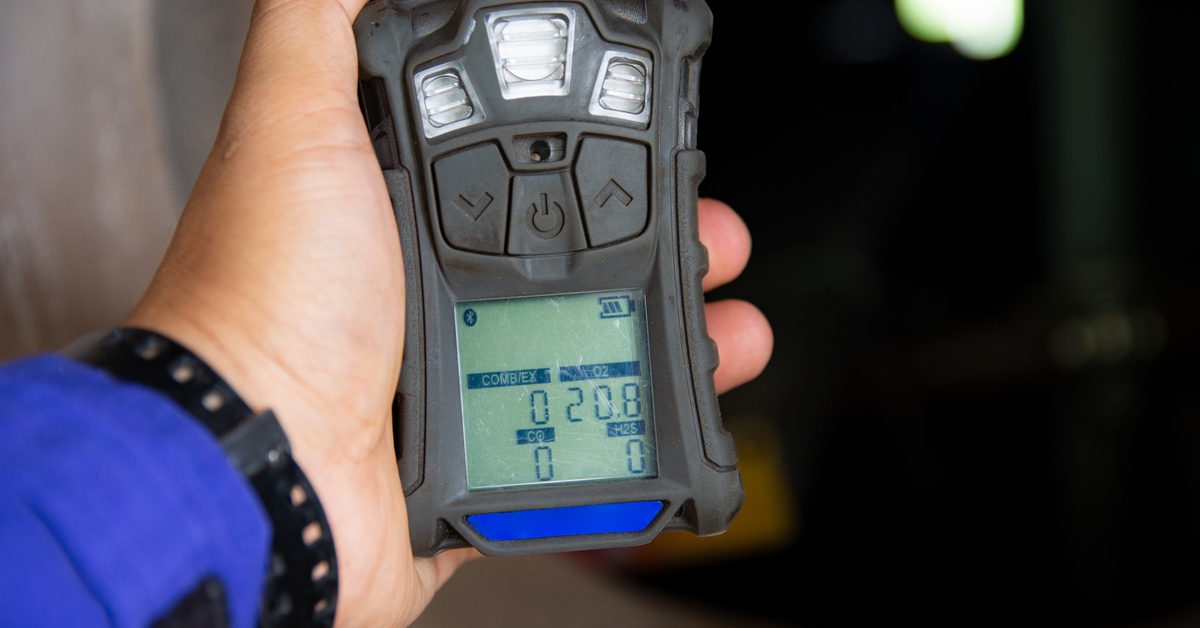
Your gas detection equipment must function independently during power outages. Fixed sensors need reliable battery backup systems that maintain full operation for at least 24 hours.
Portable multi-gas detectors serve as essential backup tools when primary systems fail. These devices enable your safety team to conduct manual sweeps of critical areas and verify that fixed sensors continue to function properly.
Choose monitors with clear low-battery warnings and test them monthly under actual operating conditions. Some facilities benefit from solar-powered backup systems or generator-fed monitoring networks.
Consider the maintenance requirements for each backup power option. Battery systems need regular replacement schedules, while generators require fuel management and routine testing.
Your backup equipment should match or exceed the capabilities of your primary detection system. Don't compromise on sensor quality or response time just because the equipment runs on batteries.
Establish Clear Communication Procedures
Communication systems often fail during power outages. Your gas monitoring protocols need alternatives that work without electricity or network connectivity.
Designate specific radio channels for safety communications and ensure every team member carries a charged two-way radio. Create physical check-in stations where workers report their status at set intervals.
Your protocol must specify who receives gas detector alarms and how your team communicates that information to emergency responders. Consider these essential communication elements:
- Contact lists with multiple phone numbers for each safety team member.
- Physical meeting points outside hazardous areas.
- Hand signals or visual markers for areas under evacuation.
- Backup alarm systems that work without building power.
- Documentation procedures for all gas readings and incidents.
Test your communication procedures during planned drills. Workers must know precisely what to do when they can't rely on email, text messages, or building intercom systems.
Train Staff on Manual Monitoring Methods
Automated systems handle most gas monitoring during normal operations. Power outages require your team to quickly shift to manual detection methods.
Show every safety team member how to operate portable gas monitors. They need to understand calibration checks, bump testing, and how to interpret real-time readings.
Your staff should know the exact route they'll walk during facility sweeps and how often they'll check each critical area. Document standard readings for every monitoring zone so workers recognize abnormal conditions immediately.
Practice evacuation procedures that account for limited lighting and disabled ventilation systems. Your team needs to locate emergency equipment in the dark and navigate facilities without electronic access controls.
Schedule quarterly training sessions that simulate actual power outage conditions. Turn off the lights, disable automatic systems, and have your team execute the full protocol.
Maintain Documentation and Equipment Logs

Keeping accurate records is the best way to ensure that your facility follows proper safety protocols. Log every detail of your gas monitoring equipment, including purchase dates, calibration schedules, and battery replacements, so nothing falls through the cracks.
Your documentation should track every power outage incident, the gas readings recorded during the event, and any corrective actions taken. Store copies of all safety protocols in multiple locations, including printed versions that remain accessible without computer access.
Update your equipment inventory whenever you add or replace monitors. Note the specific locations of backup equipment and ensure your team knows where to find it during emergencies.
Review your logs quarterly to identify patterns or equipment that fails frequently. This analysis helps you improve your protocols and allocate resources more effectively.
Review and Update Protocols Regularly
Your facility changes over time. New equipment, modified processes, and different staffing levels all affect your gas monitoring needs. As your operations evolve, conducting a thorough risk assessment each year can reveal hidden vulnerabilities and strengthen your safety protocols.
Schedule annual reviews of your complete protocol, and update procedures based on actual incidents and near-misses. Involve workers from different shifts in these reviews, because they often spot issues that management overlooks.
Test your backup equipment during each review to confirm it works as expected. Replace batteries before they reach their expiration dates and recalibrate sensors according to manufacturer specifications.
Consider new monitoring technology that might improve your safety program. Advances in wireless sensors, longer battery life, and cloud-based monitoring systems can significantly enhance your emergency protocols.
Safety That Holds Strong When Power Does Not
Creating gas monitoring protocols for power outages requires ongoing attention and regular refinement. Your workers depend on these systems to stay safe, and proper planning makes the difference when equipment fails and backup systems take over.
TG Technical Services offers a complete selection of gas monitoring equipment designed to keep your facility safe during power outages and everyday operations. From portable multi-gas detectors to fixed industrial sensors with battery backup, we have the gear you need to build reliable safety protocols.