
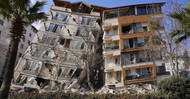
A Guide to Using Portable Monitors in Remote Disaster Areas
4th Aug 2026
When a hurricane knocks out power lines or an earthquake ruptures underground pipelines, first responders often walk into environments where the air itself poses a hidden threat. A guide to using portable monitors in remote disaster areas starts with one simple truth: you cannot smell or see many of the gases that put rescue teams at risk.
Safety directors who send crews into collapsed buildings or damaged industrial sites need equipment that detects danger before anyone steps into it. This guide covers what your team should know before deploying gas detection equipment in the field.
Why Gas Detection Is Critical After a Disaster
Natural disasters often damage critical infrastructure, releasing dangerous gases into the atmosphere. A flooded basement can trap carbon monoxide from a nearby generator. A collapsed factory can leak ammonia or hydrogen sulfide from ruptured storage tanks. Wildfires strip oxygen from enclosed spaces and fill the air with carbon monoxide and other combustion byproducts.
Remote disaster zones rarely offer the luxury of a nearby hospital or a quick exit route. Responders may work miles from the nearest paved road, cut off from cell service and backup support. If a team member collapses from gas exposure under these conditions, help may take longer than it would for a standard emergency.
This makes real-time monitoring essential rather than optional. Teams need instruments that alert them the moment gas levels cross a safe threshold, giving them time to retreat before symptoms set in. In rapidly changing disaster environments, brief delays in detection can mean the difference between a safe evacuation and a life-threatening exposure.
Your safety protocols should treat gas monitoring as a baseline requirement for every disaster deployment, not an extra step reserved for known hazmat sites. Many of the most dangerous exposures happen in locations nobody flagged at high risk beforehand.
Choosing the Right Portable Multi-Gas Detector
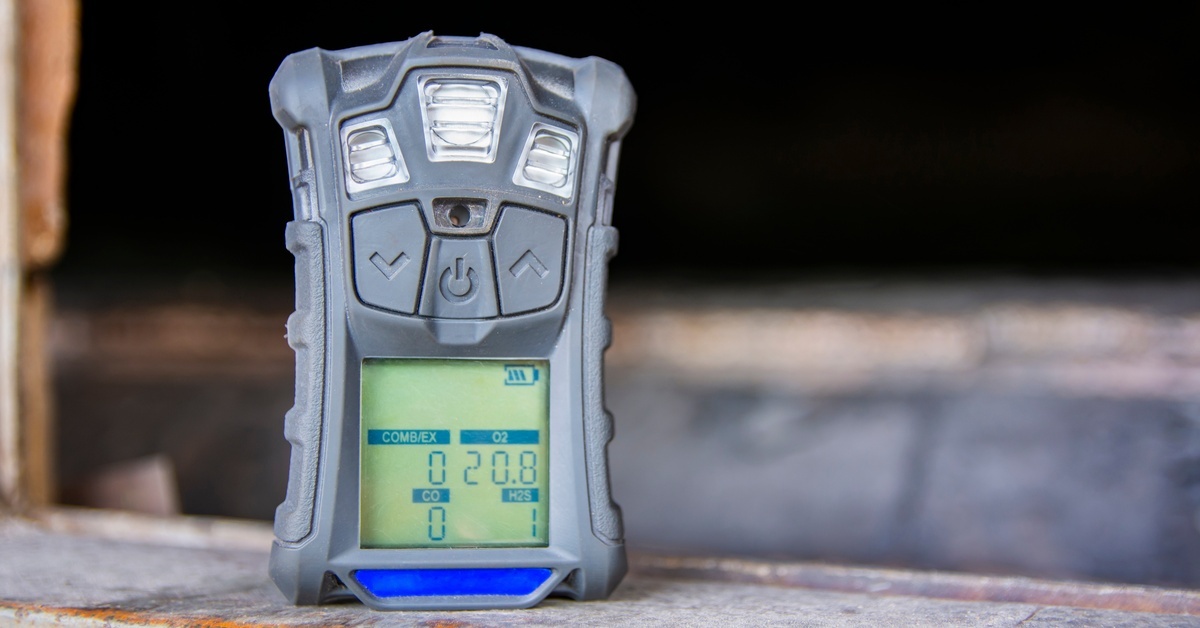
Selecting a portable multi-gas detector for disaster response differs from choosing one for routine industrial work. Field conditions change fast, and your equipment needs to keep up without slowing your team down. In disaster scenarios, unpredictable hazards and constantly shifting environments demand monitors that are both adaptable and reliable under pressure, ensuring maximum protection for responders.
Key Features to Look For
Choose a unit that can handle big drops and heavy rain. Disaster sites are unpredictable, so a tough, durable design is equally as important as accurate detection. Make sure the battery lasts, as shifts in remote areas often run longer than twelve hours, and changing batteries mid-mission can slow down your team.
Sensor range matters, too. At a minimum, a good detector should spot oxygen levels, combustible gases, carbon monoxide, and hydrogen sulfide. These are the four most common threats in disaster situations.
Some teams might add sensors for ammonia or chlorine depending on where they're working and what hazards they're likely to face. Make sure the alarms are loud and bright enough to notice, even in sunlight or near heavy machinery where softer signals can easily go unnoticed.
Calibration and Maintenance in the Field
A detector only keeps your team safe if it provides accurate readings, so you must be able to calibrate and maintain your devices. Do a quick bump test before every shift to ensure the sensors respond as they should. Stick to the manufacturer's recommended calibration schedule, and always bring a portable calibration kit when you're working away from home base.
Shifting dust and humidity, along with temperature swings, affect sensor performance over time. Assign one team member to inspect the units daily, checking for cracked housings and low-battery warnings and flagging any unit that shows signs of sensor drift. Replacing a faulty unit before a shift starts costs far less than losing your detection capabilities mid-mission.
Best Practices for Field Deployment
Having the best equipment won’t keep people safe if the team isn’t comfortable using it under high stress. Real-world emergencies rarely go by the book, so responders must be able to troubleshoot and adapt quickly if something goes wrong.
Training Your Response Team
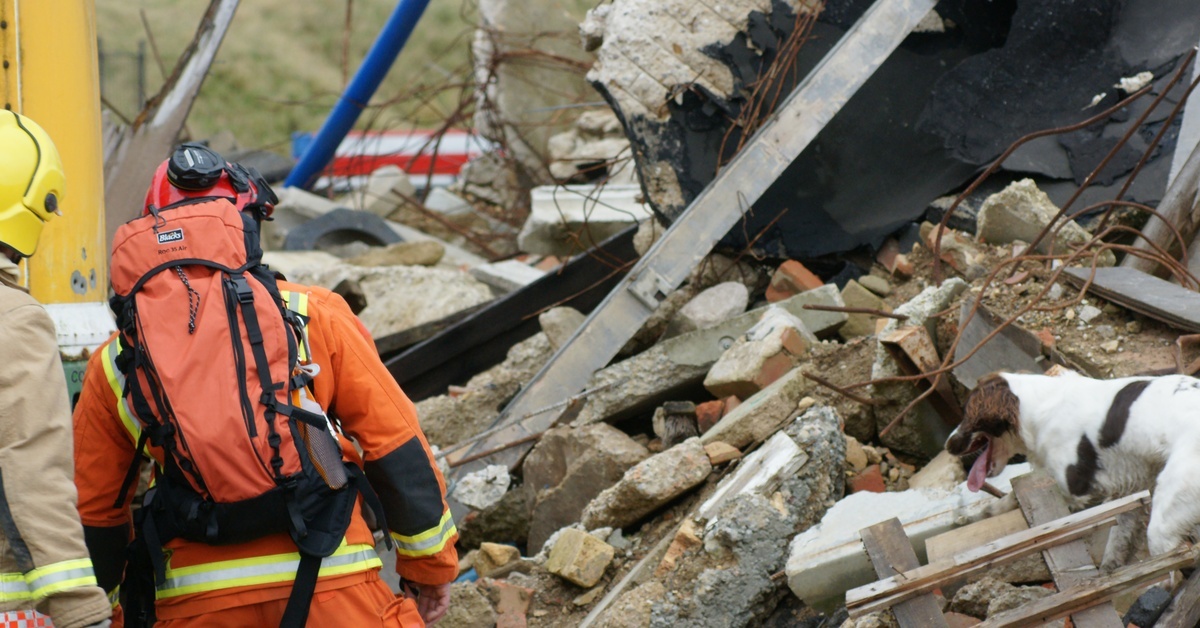
Anyone heading into a disaster zone should know exactly what each alarm means and how to act right away. In a real emergency, confusion costs precious seconds. Holding regular hands-on drills, covering everything from low-oxygen warnings to toxic-gas alarms, helps responders react without having to flip through a manual they barely remember.
Training should also include basic troubleshooting. If a responder can quickly swap a battery or reset a sensor error, the team can keep moving instead of heading back to base for a simple fix.
Beyond training, a few operational habits keep teams safer during extended deployments:
- Assign a dedicated equipment lead to track battery levels and calibration schedules across the whole team.
- Establish a clear evacuation protocol tied to specific alarm thresholds, agreed on before entering the site.
- Carry backup units for teams working in areas with limited resupply access.
- Log gas readings throughout the shift to spot patterns before they become emergencies.
- Pair new responders with experienced team members during their first few remote deployments.
These habits reduce the likelihood that a preventable gap in equipment or knowledge leads to serious incidents. Over time, teams that consistently follow these routines build a culture of safety and attention to detail that pays off in the field.
Communication also plays a role in field safety. Teams working across a large or fragmented disaster site should establish check-in intervals, alerting the command post to each group's location and whether any alarms have been triggered. Pairing gas monitors with radio check-ins gives safety directors a clearer picture of conditions across the entire operation, not just what one team reports after the fact.
Ready Your Team Before the Next Disaster Strikes
Remote disaster response puts teams in unpredictable environments where invisible gases can turn a rescue mission into a medical emergency. A guide to using portable monitors in remote disaster areas comes down to three practical steps: choosing rugged, accurate equipment, maintaining it consistently, and training your team to trust and respond to every alarm.
Safety directors who build these habits into standard operating procedures give their teams a real chance to complete difficult missions safely, even when help is hours away. The right preparation turns a portable monitor from a piece of gear into a genuine lifeline for every responder who carries one into the field.
Don't send your team into the field unprepared. Explore TG Technical Services to find portable multi-gas detectors built for demanding conditions.