

A Complete Guide to 5 Types of Photoionization Detectors
8th Dec 2025
When you're dealing with invisible hazards like volatile organic compounds (VOCs), you need a reliable way to detect them. Photoionization detectors, or PIDs, are powerful tools for this job. Understanding how they work and the different types available is the first step toward a safer environment. This walkthrough is a complete guide to different types of photoionization detectors, and it will break down the technology for you. Let’s take a closer look so you can equip yourself with the right safety tools today.
A Quick Introduction
At its core, a PID uses high-energy ultraviolet (UV) light to break down gas molecules into positively and negatively charged ions. The detector then measures the electrical current generated by these ions. The strength of this current corresponds to the concentration of the gas in the air. This process, called photoionization, is highly effective for detecting a wide range of VOCs and other toxic gases at very low levels.
The heart of every PID is its UV lamp. These lamps come with different energy levels, measured in electron volts (eV). A compound is only detectable if its ionization potential (IP) is lower than the lamp's eV rating. This is why you’ll see different lamps used for different applications; it all comes down to what specific chemicals you need to find.
1. Handheld PIDs
When you need portability and immediate results, handheld PIDs are your go-to device. These units are compact, battery-powered, and designed for on-the-spot measurements in the field. Industrial hygienists use them to assess worker exposure in real-time, and hazmat teams rely on them to quickly identify unknown chemicals during an emergency response.
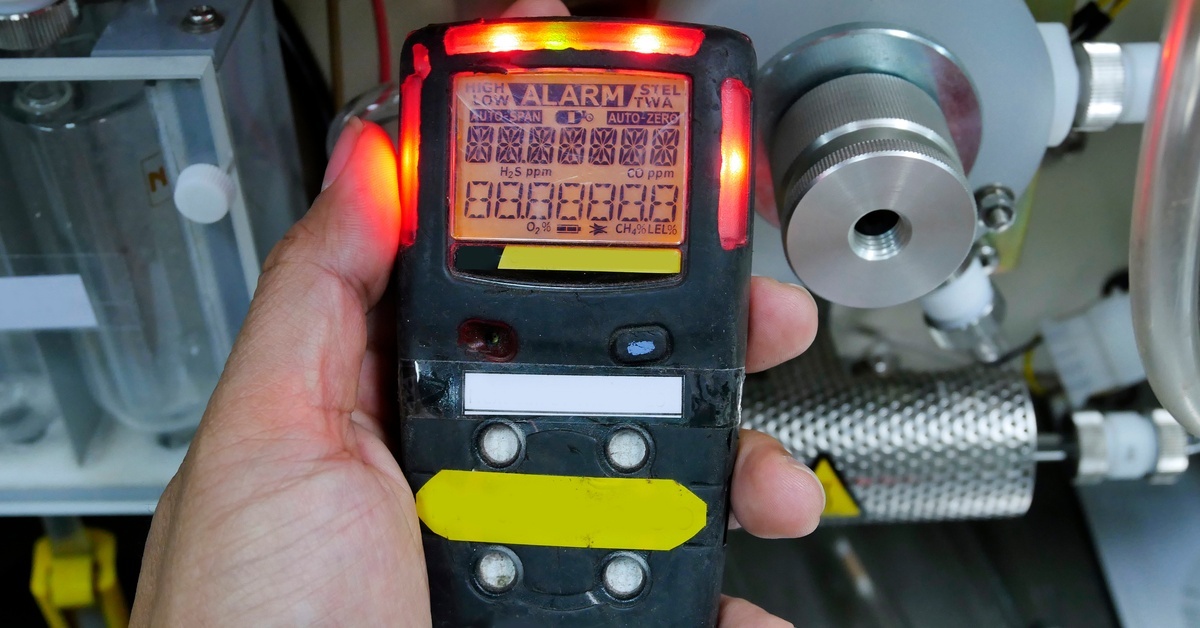
A typical handheld PID features a digital display that shows gas concentrations in parts per million (ppm) or parts per billion (ppb). They also have audible and visual alarms that alert the user when gas levels exceed a preset safety threshold. Their quick response time allows you to make fast decisions to protect health and safety.
Modern handheld units are more advanced than ever. Many come equipped with data logging capabilities, so you can record measurements over time and download the information for later analysis and reporting. Some models also feature built-in correction factors for many different gases, which allows for more accurate readings for specific compounds.
2. Fixed PIDs
For continuous, 24/7 monitoring of a specific area, you need a fixed PID system. These detectors are permanently installed in locations where there is a constant risk of gas leaks, such as manufacturing plants, refineries, or chemical storage facilities. They act as a constant watchdog, providing an early warning of any potential hazard.
Fixed PIDs are directly wired into a central control panel that can trigger alarms, activate ventilation systems, or even initiate an automatic shutdown process after detecting a dangerous gas concentration. They form a critical part of a facility's overall safety infrastructure. Their purpose is to prevent a small leak from becoming a catastrophic event.
These systems require professional installation and regular calibration to maintain their accuracy. They are robust and withstand harsh industrial environments. You can find models designed for explosive atmospheres (explosion-proof) or those resistant to corrosion, which ensures reliable operation in challenging conditions.
3. PIDs for Gas Chromatography
In a laboratory setting, precision is everything. PIDs can be directly integrated as a detector for a gas chromatograph (GC). A GC separates a complex mixture of chemicals into its individual components. As each component exits the GC column, it passes through the PID.
The PID then ionizes and measures each chemical one by one. This combination provides a highly sensitive and selective analysis. You can not only tell the total concentration of VOCs but also identify and quantify each specific compound in the sample. This level of detail is invaluable for environmental testing and research.
For example, a lab might use a GC-PID to analyze a soil or water sample for specific pollutants. The chromatogram produced shows a series of peaks, with each peak representing a different chemical. The size of the peak corresponds to its concentration. This technique is a powerful tool for forensic analysis and environmental compliance monitoring.
4. PIDs with Pre-Filter Tubes
One challenge with PIDs is that they are broadband detectors; they respond to a wide range of chemicals. This can be a problem when you are only interested in one specific hazardous gas in a mixture. For example, you might need to measure benzene, a known carcinogen, in an environment that also contains less harmful VOCs.
To solve this, you can use a PID with a pre-filter tube. This is a small tube filled with a material that selectively removes interfering compounds from the air sample before it reaches the PID lamp. Only the target gas passes through to be accurately measured. This setup adds a layer of selectivity to the measurement.
This approach is extremely useful for compliance monitoring where regulations set strict limits for a specific chemical like benzene. It gives you a much more accurate and defensible reading. You can be confident that your measurement reflects the true concentration of the target hazard, not a mix of other background gases.
5. Intrinsically Safe PIDs
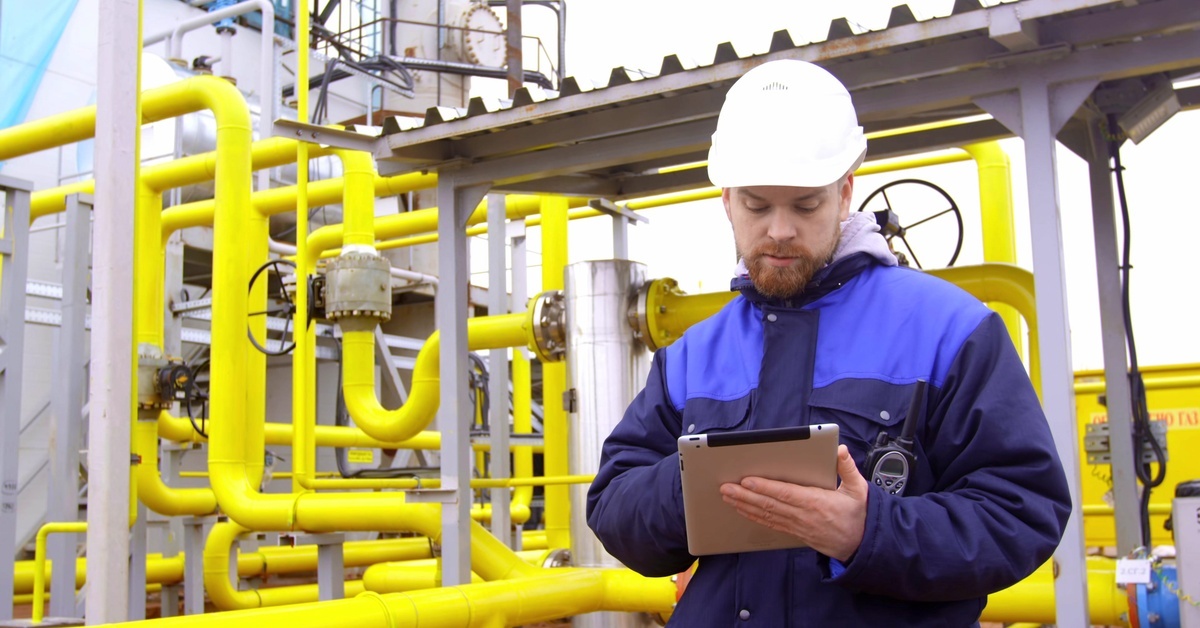
This complete guide to the various types of photoionization detectors should give you a solid starting point for your selection process, but there is still one critical option to consider. Working in potentially explosive atmospheres requires special equipment. An electrical spark from a standard electronic device could ignite flammable gases or dust, leading to a disaster. That is why intrinsically safe (IS) PIDs are specifically designed for use in hazardous locations, such as oil refineries, chemical plants, and underground mines.
An IS-rated instrument is engineered so that it cannot release enough electrical or thermal energy to cause an ignition. This involves limiting the voltage and current within the device and encasing components to prevent any sparks. These PIDs undergo rigorous testing and certification by third-party agencies to earn their safety rating. Using an IS-rated PID gives workers the ability to safely monitor for toxic VOCs without introducing an ignition risk. When you see an IS certification, you know the device has been built to the highest safety standards for the most dangerous jobs.
Your Guide to Better Detection
Choosing the right detector depends entirely on your specific application, the chemicals you need to monitor, and the environment you're working in. From a quick spot-check with a handheld unit to a permanent safety installation, there is a PID ready for the task.
The technology behind PIDs provides a powerful and versatile method for detecting unseen airborne threats. By understanding the different types and their capabilities, you can select the right tool to protect your team, your facility, and the environment. Take the next step toward a safer workplace and equip yourself with a reliable photoionization sensor today.