

8 Applications for PID Gas Monitors in Industrial Settings
17th Aug 2026
Every industrial site faces unique air quality challenges, but one concern stays the same: exposure to volatile organic compounds (VOCs) can place workers, equipment, and operations at risk. The right detection equipment gives teams valuable insight before a small issue grows into a costly event. If your facility handles chemicals, fuels, solvents, or petroleum products, now is a great time to review your gas detection strategy and select equipment that fits your environment. Applications for PID gas monitors in industrial settings cover a wide range of industries, and the right device supports safer, more efficient operations from day one.
What Is a PID Gas Monitor?
A photoionization detector, commonly called a PID gas monitor, detects volatile organic compounds by using ultraviolet light to ionize gas molecules. Once those molecules receive a charge, the monitor measures the resulting electrical current and converts that data into a concentration reading. This process delivers fast feedback, allowing personnel to respond before VOC levels climb further.
Unlike combustible gas detectors that focus on flammable concentrations, PID monitors excel at identifying very low concentrations of VOCs. That capability proves valuable in facilities where even minor leaks deserve immediate attention. Workers gain a clearer picture of air quality, and supervisors can respond with confidence instead of relying on assumptions.
#1 Chemical Manufacturing Facilities
Chemical production introduces countless opportunities for VOC exposure. Raw materials, solvents, intermediates, and finished products all release vapors under certain conditions. During production, transfer, storage, or maintenance, unexpected emissions can occur with little warning.
PID gas monitors give personnel immediate awareness of changing air conditions. A maintenance crew replacing valves, for example, can verify that surrounding air remains within acceptable limits before work continues. Production managers also benefit from continuous readings that support routine inspections and operational decisions. Facilities that manufacture paints, coatings, adhesives, pharmaceuticals, or specialty chemicals rely on this technology throughout daily operations. Early detection allows teams to isolate a problem before larger portions of the plant become affected.
#2 Oil and Gas Operations
The oil and gas industry also provides various applications for PID gas monitors in industrial settings. Crude oil, condensate, refined fuels, and associated chemicals release VOCs during production, transportation, and storage. Routine inspections become far more effective with portable PID gas monitors.
A technician walking through a loading rack can locate small leaks that may escape visual inspection. Repair crews also gain immediate confirmation after maintenance work, reducing uncertainty before equipment returns to service. These monitors complement broader gas detection programs by focusing on compounds that combustible gas detectors may not identify at low concentrations.
#3 Environmental Site Assessments
Environmental consultants depend on PID gas monitors during contamination investigations. Former industrial properties, fuel stations, landfills, and remediation sites all require accurate field measurements before excavation or cleanup begins. Field personnel use portable instruments to evaluate soil vapor, monitor excavation work, and identify contamination hotspots.
Instead of waiting days for laboratory analysis, crews receive immediate readings that guide next steps on-site. That rapid feedback saves valuable time during environmental projects. Survey teams can cover larger areas efficiently and focus laboratory testing where it provides the greatest value.
#4 Confined Space Entry
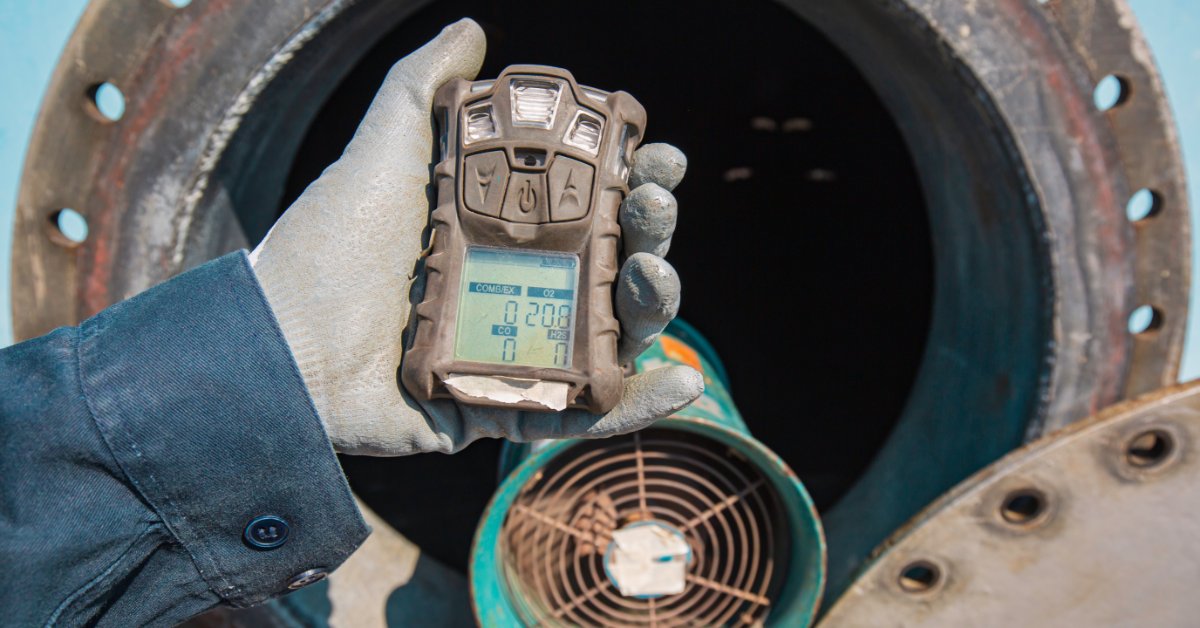
Confined spaces demand careful atmospheric evaluation before anyone enters. Storage tanks, vaults, sewers, pits, and process vessels may contain hazardous VOC concentrations even after standard ventilation procedures. A PID gas monitor adds another layer of information alongside oxygen, combustible gas, and toxic gas measurements.
Personnel receive a broader understanding of atmospheric conditions before entry permits receive approval. During maintenance shutdowns, readings continue throughout the project. If conditions change unexpectedly, crews receive prompt notification and can exit before exposure increases.
#5 Wastewater Treatment Plants
Wastewater facilities process countless industrial and municipal waste streams that release volatile organic compounds. Collection systems, lift stations, sludge processing areas, and chemical storage locations all present opportunities for vapor accumulation. Maintenance personnel spend considerable time near enclosed structures and underground spaces.
Portable PID monitors allow technicians to evaluate air quality before repairs begin. Plant supervisors also use fixed systems in selected locations where continuous monitoring provides added confidence. Daily operations will continue with fewer surprises because workers receive timely information about changing atmospheric conditions.
#6 Manufacturing and Industrial Production
Manufacturing facilities use solvents and cleaning agents across countless production processes. Automotive plants, electronics manufacturers, aerospace suppliers, and metal fabrication shops all rely on chemicals that release VOC vapors during routine use. Paint booths provide one familiar example. Air quality shifts rapidly during coating operations, especially when production volumes increase.
PID monitors help supervisors verify ventilation performance and identify unexpected vapor accumulation. Cleaning stations present another practical application. Solvent tanks, degreasing equipment, and parts washers all create environments where continuous awareness supports safer work practices.
#7 Emergency Response and Hazardous Materials Incidents
Emergency response teams never know exactly what they'll encounter before arriving on scene. Chemical spills, transportation accidents, warehouse fires, and industrial releases require rapid hazard assessment. Portable PID gas monitors help responders identify VOC hazards without unnecessary delay.
Initial readings guide perimeter establishment and incident command strategies. As conditions evolve, responders continue atmospheric evaluations throughout the event. Fast information supports better decisions during situations where every minute carries weight.

#8 Indoor Air Quality Investigations
Industrial buildings occasionally experience unexplained odors or employee complaints related to indoor air quality. Solvent storage, production processes, maintenance activities, or ventilation issues may contribute to elevated VOC concentrations. PID monitors help facility managers identify potential sources.
Rather than relying entirely on occupant observations, investigators collect measurable data throughout the building. Maintenance personnel can compare readings across different work areas, isolate problem locations, and verify improvements after corrective actions take place. This practical approach supports long-term facility management rather than temporary fixes.
Selecting the Right PID Gas Monitor
Every facility operates under different conditions, so monitor selection deserves careful consideration. Detection range, sensor sensitivity, battery life, environmental durability, and data logging capabilities all influence long-term performance.
Several factors deserve attention during the selection process:
- Types of VOCs present throughout the facility
- Frequency of monitor use
- Portable or fixed installation requirements
- Calibration and maintenance schedules
- Data storage and reporting features
- Environmental conditions such as temperature and humidity
A warehouse with occasional inspections may benefit from a lightweight handheld instrument. A large chemical processing facility may require multiple fixed monitors combined with portable units for maintenance personnel. Matching equipment to operational needs produces better results than relying on a one-size-fits-all approach.
Industrial operations continue to evolve, and gas detection technology advances alongside them. Each setting benefits from fast VOC detection that supports informed decisions throughout daily operations. If your organization plans to upgrade its gas detection program, partner with an experienced supplier that can recommend equipment suited to your facility, workforce, and operational goals. Equip yourself with photoionization detectors that will keep your worksite safer today.