
5 Industries That Should Rely on Radiation Dosimeters
3rd Dec 2025
Radiation exposure poses serious health risks across multiple sectors. Workers in specific fields face daily contact with ionizing radiation, which can cause cellular damage and long-term health complications.
Understanding which industries require dosimeters helps companies protect their teams and maintain compliance with safety regulations. This guide examines five industries that should rely on radiation dosimeters to keep workers safe and operations running smoothly.
Healthcare and Medical Facilities
Medical professionals work with X-ray machines, CT scanners, and fluoroscopy equipment daily. Radiologists, technicians, and nurses in imaging departments accumulate radiation exposure over time.
A radiation monitor tracks this exposure and ensures staff members stay within safe limits. Hospitals must document these readings to comply with regulatory standards and protect their employees from overexposure.
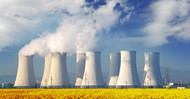
Nuclear Power Plants
Nuclear energy facilities expose workers to various radiation sources throughout their operations. Plant technicians, engineers, and maintenance crews encounter radioactive materials during routine tasks and emergency procedures.
Dosimeters provide real-time data about exposure levels and help supervisors make informed decisions about work schedules. These devices also create detailed records that demonstrate compliance with Nuclear Regulatory Commission requirements and protect companies from liability.
Industrial Radiography Services
Inspection companies use radioactive sources to examine welds, pipelines, and structural components. Field technicians transport and operate these devices in construction sites, refineries, and manufacturing facilities.
The portable nature of this work increases exposure risks because technicians move between different environments. Personal dosimeters provide workers with immediate feedback on their radiation levels and allow them to adjust their distance or shielding as needed.
Research Laboratories
Universities and private research centers conduct experiments with radioactive isotopes and particle accelerators. Scientists, lab technicians, and graduate students handle these materials during their daily research activities.
Academic institutions must protect their personnel while advancing scientific knowledge. Dosimeters help research facilities balance innovation with safety by monitoring cumulative exposure across extended study periods.
Aerospace and Defense
Military personnel and aerospace engineers work with radiation sources in various applications. Satellite systems, weapons testing, and space exploration programs expose teams to different forms of radiation.
Defense contractors need accurate monitoring systems to protect specialized personnel who handle sensitive equipment. The unique challenges in these environments require reliable dosimetry solutions that can withstand demanding conditions.
Protect Your Team with Proper Dosimetry
Organizations across these sectors depend on accurate exposure monitoring to protect their workforce. TG Technical Services understands the critical nature of radiation safety and provides monitoring solutions for high-risk environments.
Implementing proper dosimetry programs reduces health risks, ensures regulatory compliance, and demonstrates a commitment to worker safety. The five industries that should rely on radiation dosimeters can position themselves as responsible leaders who value a healthy workforce.